











- Apr 7, 2009
- 5,261
- 2,619
- Awards
- 10
- First Name
- Joe
Very impressive considering tech (& all stocks) are getting crushed today.
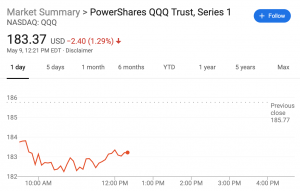
$CVNA shorts getting roasted.
$CVNA shorts getting roasted.

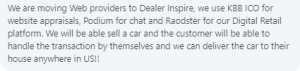
Grabbed this from a LinkedIn post of a pretty progressive, successful dealer...
View attachment 4142
To me, this accentuates just how Carvana continues to differentiate itself from even the best dealership alternatives. Relying on numerous third party providers is absolutely necessary and is also more likely lead to a less seamless experience.

Sorry, but I just don't see a path to profitability for Carvana. They are growing like crazy but to what end as there loss per car/sold is growing, not declining. There is nothing proprietary about what they are doing and no reason for a consumer to be loyal to the brand once they have transacted. Even assuming that the customer had a great experience, their propensity to stay loyal on their next transaction will still be based partially on price and inventory availability.
What's more, they have zero competitive advantage over even a single point dealer in acquiring inventory. Beyond trade-ins, (which are typically older and of less desirability versus new car trades), their lack of brick and mortar works at a disadvantage to them. They have to acquire every used car one by one, just like I do. They don't produce their own product and can't leverage their size to gain a competitive advantage in acquiring inventory. This is Amazon's golden bullet and it doesn't exist for Carvana.
The real money maker in Used Cars relates to F&I and creating a customer for future service visits. Their online model makes F&I more difficult to maximize and doesn't incorporate fixed operations.
People who are investing in this stock see an innovative business model disrupting an old industry. What they fail to see is how that industry has changed, how competitive that market is (especially in Used Cars), and how difficult it is and will always be to gain a competitive advantage when acquiring used vehicles.

Automotive professionals debate whether the failures of e-commerce car retailers like Carvana and Vroom signal the death of online auto sales, with most concluding the business model itself was fundamentally flawed rather than the channel. Key criticisms center on unsustainable customer acquisition costs (both for inventory and buyers), failure to address that consumers want to inspect vehicles in person, and underestimation of the advantages existing dealers possess (brand loyalty, service relationships, trade-in inventory). The emerging consensus is that e-commerce will succeed in auto retail only when integrated into traditional dealerships' operations rather than attempted as a standalone, capital-intensive business.