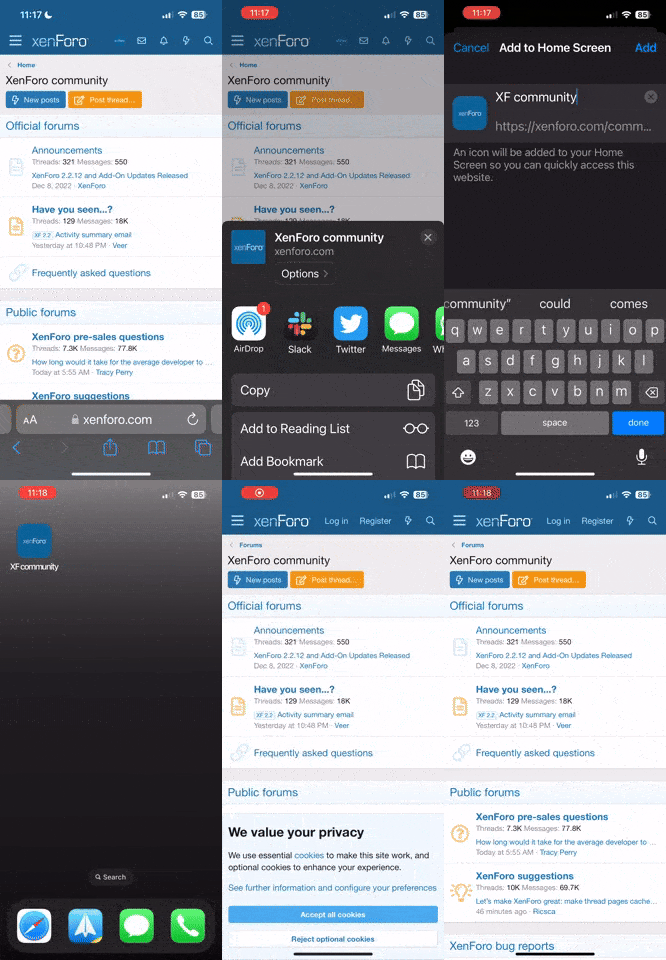
Follow along with the video below to see how to install our site as a web app on your home screen.
Note: This feature currently requires accessing the site using the built-in Safari browser.
This thread is just the tip of the iceberg.The people ahead of the curve aren't Googling for answers — they're already in here, having the conversations you haven't found yet. DealerRefresh is free.Get the full picture →
A dealer operator opens a debate about why so much budget goes to third-party leads while website visitors — already the warmest prospects — are left unconverted. Replies push back hard on conflating 'identified visitors' with true leads, warning that appending contact data to anonymous sessions without consent is both legally murky and likely to creep out shoppers. The thread's clearest takeaway is that the full conversion funnel — from unique visitor to sold unit, with a proper holdout group — must be measured honestly before any website identity or engagement tool can claim ROI.