




• This thread is just the tip of the iceberg.The people ahead of the curve aren't Googling for answers — they're already in here, having the conversations you haven't found yet. DealerRefresh is free.Get the full picture →

Conspiracy Time: Facebook Reactions Affect Engagement and Exposure

Jun 1, 2018
101
88
Awards
5
First Name
Brian
So I've been quietly wondering lately about Facebook reactions and whether they may affect your post's engagement and exposure.

The question: Do you think "Angry" and "Sad" reacted posts are pushed down in the Facebook algorithm to reduce negative content on feeds? I'm a firm believer that Facebook has dopamine targets to keep people hooked and have the addictive urge to scroll and consume. A negative post would naturally be pushed down, right? Food for thought.

(In other words, post quality and unique content that promotes happy engagement from the correctly targeted audience)


tin.jpg
 
If it's anything like YouTube - it's valued the same or near the same as if they were "Thumbs Up" or other happy reactions. At least for a long time YouTube's algorithm promoted these "negative" videos the same way because they got engagement - not based on whether or not the engagement had good or bad reactions.

That being said - for this industry - I agree wholeheartedly that we should be creating positive content that engages people and gets thumbs up and happy reactions.
 
If it's anything like YouTube - it's valued the same or near the same as if they were "Thumbs Up" or other happy reactions. At least for a long time YouTube's algorithm promoted these "negative" videos the same way because they got engagement - not based on whether or not the engagement had good or bad reactions.

That being said - for this industry - I agree wholeheartedly that we should be creating positive content that engages people and gets thumbs up and happy reactions.

Positive, quality, and custom content is definitely where it's at.
 
Oh absolutely.
upload_2019-9-25_12-58-30.png

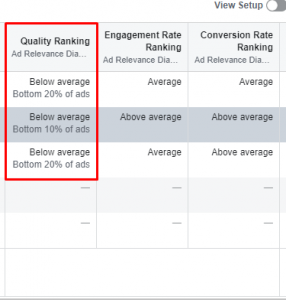
If Facebook uses similar metrics to assess the quality of advertisements, they're likely using identical metrics on the back-end geared towards organic content.

For example - the metrics you see above are from an old subprime advertisement we ran with a dealer partner. Once fatigue set in and our ad began receiving Angry & Sad reactions, our quality score tanked. (this is common with running ads in the special finance sector)

As a result our cost per lead became incredibly expensive ($15-$20 a piece)

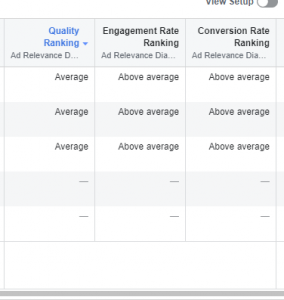
We refreshed the campaign with new creatives and are seeing a much better quality score:

upload_2019-9-25_13-16-46.png

Food for thought.
 
  • Like
Reactions: EmilyDA and sukoseo
Oh absolutely.
View attachment 4314

If Facebook uses similar metrics to assess the quality of advertisements, they're likely using identical metrics on the back-end geared towards organic content.

For example - the metrics you see above are from an old subprime advertisement we ran with a dealer partner. Once fatigue set in and our ad began receiving Angry & Sad reactions, our quality score tanked. (this is common with running ads in the special finance sector)

As a result our cost per lead became incredibly expensive ($15-$20 a piece)

We refreshed the campaign with new creatives and are seeing a much better quality score:

View attachment 4315

Food for thought.
Excellent feedback on this topic. I was wondering the same thing while watching similar metrics on my Ads Manager. Even though Facebook would not want to promote negative content, when it added all the options to engage, what else would it before other than the algo?
 

✨ AI Highlights

Automotive marketers debate whether Facebook's algorithm suppresses posts receiving "angry" and "sad" reactions to maintain a positive user experience, with one participant providing concrete evidence from paid ad campaigns showing that negative reactions significantly tanked quality scores and increased cost-per-lead. While opinions differ on whether the algorithm treats all engagement equally (like YouTube does) or penalizes negative reactions, consensus emerges around best practice: dealerships should focus on creating positive, quality content rather than relying on shock value engagement. The thread highlights a practical tension—Facebook may promote controversial posts for engagement, but negative sentiment reactions appear to hurt ad performance metrics and organic reach.

Replies Views 7 2,746 Started Last Reply