








- Dec 19, 2018
- 875
- 895
- Awards
- 8
- First Name
- Bill



My thoughts exactly.
You can't trust them to be consistent with anything. Not that I'm upset about this particular move, but Google is far from a company I place any trust in.

So what does this do to the strategies of dig ad, mining, and the like companies hailing "1st party data" as the new direction? Do they pivot back or is there an argument for the 1st party direction and growth yet?

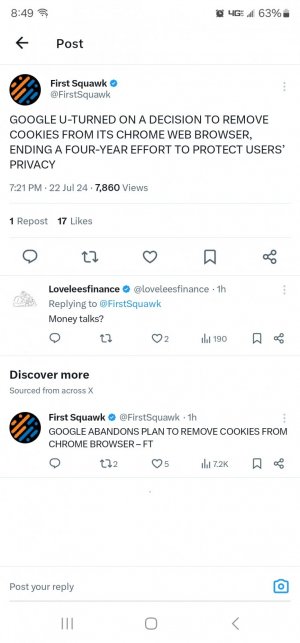
In a complete shock to no one.Wait.... What?
Google's decision to retain third-party cookies in Chrome does not diminish the growing importance of first-party data. As privacy regulations tighten and user expectations for transparency increase, first-party data remains a critical asset for marketers. Honestly, Google's decision provides a temporary reprieve for marketers who rely on third-party cookies for user tracking and targeting. Regardless, first-party data collection aligns with most compliance standards, fostering transparency and trust between businesses and users. As privacy regulations become stricter, the reliance on first-party data ensures that companies can continue to gather valuable insights without violating user privacy.So what does this do to the strategies of dig ad, mining, and the like companies hailing "1st party data" as the new direction? Do they pivot back or is there an argument for the 1st party direction and growth yet?
Automotive industry professionals discuss Google's reversal of its plan to eliminate third-party cookies from Chrome, expressing frustration about the company's inconsistency and the wasted R&D investments the advertising industry made preparing for a cookieless future. A key consensus emerges that despite Google's decision to keep cookies, first-party data collection remains the superior long-term strategy for dealers and marketers due to privacy regulations and user expectations, while also providing competitive advantages and better customer insights than third-party tracking alone.