









- Apr 7, 2009
- 5,087
- 2,507
- Awards
- 10
- First Name
- Joe
I see a lot of people are talking about using iPhones and other similar devices for their car photography. I'm just wondering what the draw is to use them. I must be old school since I still use an actual camera and memory cards.
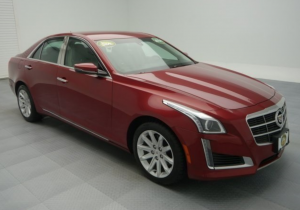
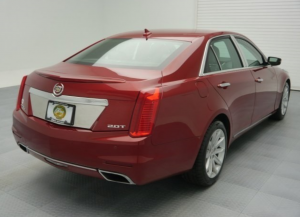
What is your opinion about taking 5-10 quick pictures upon trade in and posting them online before reconditioning, just to get some pics online, since in many managers views, speed is everything and with out pics the car is not for sale in the customer's eye. And then re taking the good pictures after detailing is completed
That is really interesting to hear. Consistency consistency consistency has been drilled into me over the years. Dealers wanting all the first shots to be consistently positioned and shot.
I would think photographing un prepped cars would have more negatives then positives.
These are some things I noticed while looking at some websites:
Cars shot in random places, sometimes even vertical with a cell phone. (even first pictures) Trash and people's leavin's left through out the car, dirty, and damage showing.
I would think these things would leave a very un professional appearance to a customer. Especially for a high line luxury car. The customer does not know they are only preliminary photos. They are posted just the same as every other car. What happens when a customer comes in to look at one of these cars and it is at the body shop getting the bumper painted but the car is online.
Love it! In fact, I'd love to see an online tool that asks the customer to take photos of their car when sending a trade lead or getting a guaranteed trade number.* Then use those photos until the photo pro gets to that car on the front line.
*I'm assuming more than 90% of customers aren't going to send you photos with dead bodies in the trunk.
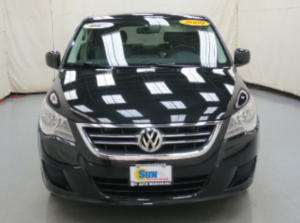
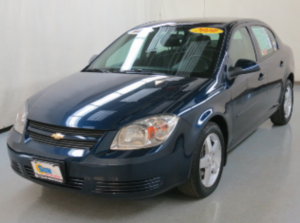
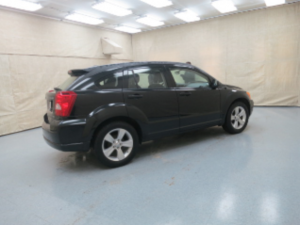
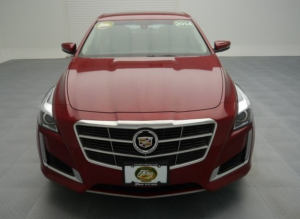
Automotive dealers share practical advice on building in-house vehicle photography booths, covering essential elements like booth size (larger is better), background materials (neutral colors or paint tarps, avoiding white for light-colored vehicles), lighting setups (professional studio lights or high-quality fluorescents), and floor treatments (speckled garage paint). Key takeaways include that successful booths require adequate space (25x25+ feet ideally), proper lighting and camera equipment, and strategic camera angles to hide facility imperfections, with several dealers reporting quality results at reasonable costs (under $3K for materials).