What is the solution?
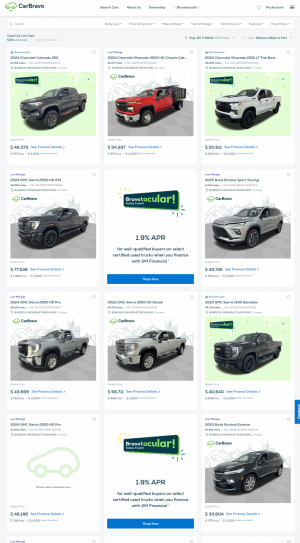
If you think about it most dealership websites are built around
inventory, not actually solving the customers problem!
Do they want a Toyota Highlander.
Or:
- A vehicle that fits three car seats.
- Something that can tow their camper.
- A reliable commuter under $500/month.
- A sports car that won't kill them on insurance.
- A truck that fits in their garage.
- A first car for their daughter.
When you start with inventory, you force people to become car experts before they can buy.
Think about going to Amazon and the first thing you see is:
- Product ID
- SKU
- Warehouse Location
- Price
- Buy Now
That's pretty much what dealership websites are doing now?
What if...Customer says, "I want a Wrangler."
The website responds...Awesome. Before you decide...
Lets compare it to a Bronco...
You'll gain:
✓ Better aftermarket
✓ Better resale
You'll lose:
• Ride comfort
• Fuel economy
• Interior space
• Cargo room
• Road noise
Now they're learning.
Instead of SUVs, the navigation becomes
Help me...
• Tow
• Save money
• Fit my family
• Go camping
• Daily commute
• Road trips
• Teen driver
• First vehicle
• Luxury
• Off-road
• Small business
Customer builds their life.
- 2 adults
- 3 kids
- Golden Retriever
- Weekend camping
- 8,000 miles/year
- $550/month
- Occasional towing
The website says: Here are the five vehicles that fit your life.
Not ... Here are 273 SUVs.
Instead of comparing price, it compares ownership.
Vehicle A
- Purchase
- Insurance
- Fuel
- Maintenance
- Repairs
- Depreciation
- 5-Year Cost
Vehicle B
Same comparison.
Now the customer understands value.
Instead of 2024 Explorer, The site says...
We recommended this because:
✓ Fits three car seats.
✓ Enough cargo for hockey equipment.
✓ AWD for Nebraska winters.
✓ Lower insurance than a Tahoe.
✓ Better resale than a Traverse.
✓ Can tow your boat.
As customers explore, the system tracks how well it understands them.
We understand about 28% of your needs. Help us narrow it down, nowe we understand...84%
Then it can say we are confident these three vehicles fit your lifestyle.
No forms.
Just progress.
Maybe a
Vehicle Intelligence Page (VIP) instead of a Vehicle Detail Page (VDP).
VDP:
- Photos
- Price
- VIN
- Features
- Lead Form
VIP:
- Why people buy this vehicle
- Who shouldn't buy it
- Common owner complaints
- Long-term maintenance
- Insurance estimate
- Fuel costs
- Reliability
- Competitors
- Tradeoffs
- What owners love
- Typical owner profile
- Common upgrades
- Lifestyle fit
- AI explanation
- Questions people ask
- Video walkthroughs
- Accessories
The vehicle becomes something the customer understands, not just a listing they can compare by price.
Instead of asking visitors to identify the right vehicle, the platform's job is to discover
who they are, what they're trying to accomplish, and why. Every click, comparison, question, and preference builds a richer understanding of intent.
At that point, the lead isn't just:
- 2023 Honda Pilot
- Name
- Email
- Phone
It's something far more valuable:
Family of five, replacing a minivan, budget under $600/month, needs AWD for winter trips, occasional towing for a small camper, values reliability over performance, comparing Pilot, Highlander, and CX-90, currently 92% confident the Highlander best fits their needs.
A salesperson can pick up exactly where the customer left off, instead of starting the conversation over!
Maybe the website shouldn't be an inventory catalog or a lead generator, but a salesperson, researcher, and advisor, handing the dealership a customer who already understands why a particular vehicle fits their life?











 What would help